Back pain rarely arrives as a single, tidy episode. For most people it ebbs and flows, improving with rest or treatment, then creeping back after a long drive, a holiday mattress, a spell of stress, or a burst of DIY. In a busy patch like Croydon, where many commute north toward central London or south to Gatwick, those cycles of flare and fade are tied to real life: trains, laptops, school runs, and weekend football. Preventing relapse means more than soothing symptoms. It means raising your spine’s capacity, dialing down sensitive tissues and nervous system threat, and building practical habits that fit your days in CR0, Purley, South Croydon, and the surrounding hills.
As a registered osteopath in Croydon, I have seen hundreds of cases where a few smart tweaks make the difference between another painful fortnight and a quiet, dependable back. This guide distils that experience and the best of contemporary musculoskeletal practice into steps you can use. It blends manual therapy where useful, targeted exercise that respects biology, and everyday strategies that protect you at work, at home, and on the A23.
Why backs relapse
Most relapses are not catastrophic. Ligaments have not torn again, a disc has not suddenly gone. The more common pattern is a mismatch between load and capacity. A day that asks too much of irritated tissues tips you past a threshold and the nervous system responds with protective pain.
Several drivers conspire:
- Residual sensitivity in joints and muscles that never fully calmed after the first episode. Habits that silently add load, like holding your breath when you lift a child, or sitting into a C-shaped slump for hours. Deconditioning after resting more than you needed to, so routine tasks become heavy again. Stress, poor sleep, and low mood, each known to heighten pain perception and slow recovery. Unmanaged comorbidities like diabetes or inflammatory conditions that keep tissues irritable.
Within that pattern, we see subtypes. Some people are flexion intolerant, often aggravated by prolonged sitting, tying shoelaces, or bending to the sink. Others are extension intolerant, irritated by long standing, brisk downhill walks, or repeated back bending. Some have nerve-root involvement that throws pain down a leg or creates pins and needles. The point is not to label you for life but to map what your back likes and what it dislikes, then expand the like column week by week.
What a Croydon osteopath actually does to prevent relapse
An osteopath near Croydon is not the person you see once, then hope for the best. In this context, we are your co-pilot in building resilience. Treatment combines three pillars.
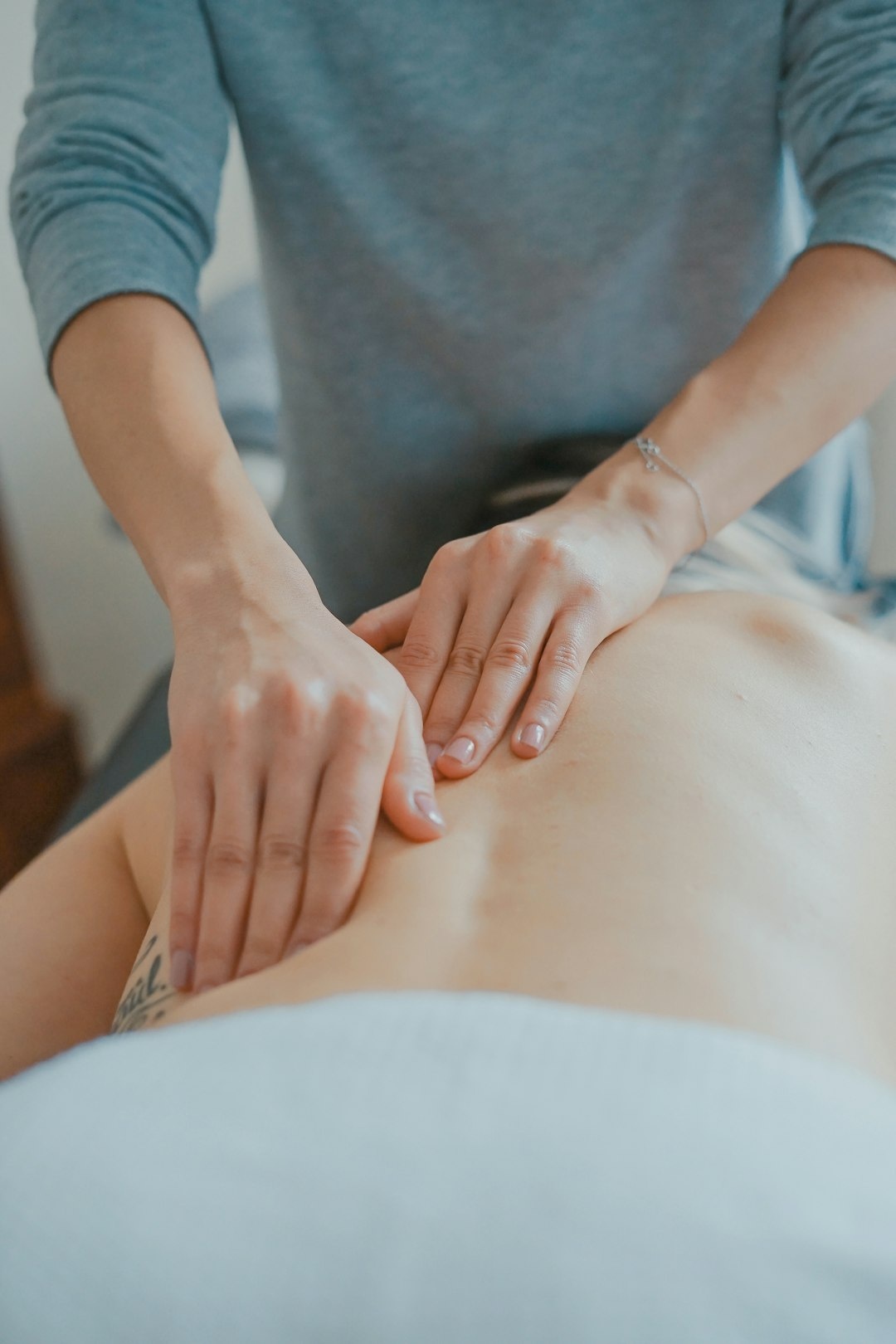
First, skilled manual therapy where it helps: joint mobilisation, soft tissue techniques, and high velocity low amplitude thrusts when appropriate. The goal is to reduce sensitivity, restore glide in stiff segments, and give you a window for better movement.
Second, active rehabilitation anchored in your exact pain signature, not a generic sheet of exercises. If your lumbar spine dislikes the final third of flexion at your desk, we train hip hinge, abdominal bracing, and graded spinal flexion that teaches tolerance. If your sacroiliac joint is the bottleneck after long drives, we target gluteal strength and pelvic control.
Third, behaviour change. That means stress management you will actually use, a desk and bag setup that works on Thameslink, and a flare-up plan that stops a minor twinge turning into a two-week spiral. This is the less glamorous part of osteopathic treatment in Croydon, but it is usually the part that keeps you well.
A brief anatomy tour, in plain English
Think of your back as a team. Vertebrae are the building blocks. Between them sit discs that behave like tough jelly doughnuts, excellent at bearing load and bending. Facet joints guide motion and can get cranky with too much extension or rotation. Big muscles such as the erector spinae and quadratus lumborum create movement and resist gravity. Smaller stabilisers like multifidus steer each vertebra. Fascia connects the lot into long slings that tie shoulders to hips. Nerves thread through, feeding signals to and from the brain.
Pain can stem from any of these players and it often does not stay in one place. A stiff hip makes your lower back bend more. A tired core means your diaphragm and pelvic floor do not share load well, so you brace and hold your breath. A sensitive disc might make you guard your movement, which tightens paraspinals, which tugs on facet joints. The team matters more than a single villain.
The assessment that changes the outcome
At our osteopathy clinic in Croydon, the first session is detective work. We map your story and test hypotheses, not just push on sore spots. You will usually leave with a clear working diagnosis and three or four takeaways you can apply that day.
The process has five anchors. We take a timeline and load audit that covers your day in 15 minute blocks, which often reveals hidden culprits. We test movement patterns like hip hinge, lumbopelvic rhythm, and single-leg control. We screen nerves when your symptoms suggest they are involved, checking reflexes, strength, and sensation. We assess breathing mechanics and pressure control, because a rigid ribcage and braced belly add load to the back. We explore beliefs and fears about movement, since fear avoidance predicts longer recovery in many studies.
One Croydon commuter, a 42 year old father who works in tech, arrived after his third flare in a year. Each one followed train delays that kept him seated an extra hour. He had tried lumbar supports and strong painkillers. His exam showed hip stiffness and a sitting habit that tucked his tailbone under. After manual therapy to free his hips and thoracolumbar junction, we taught a simple seated hip hinge and scheduled standing breaks every 25 minutes during train journeys. In six weeks he reported no flares and had returned to weekend cycling on Farthing Downs.
Manual therapy, used with precision
Hands-on work can change pain quickly. The key is precision and timing. Joint mobilisation can ease a guarded segment, allowing better distribution of movement. Soft tissue work can reduce tone in the thoracolumbar fascia and paraspinals, often helpful when the back feels like a tight band. Manipulation, when indicated and consented to, can break a pain pattern and restore range in a single visit.
In practice, manual therapy Croydon patients receive is rarely a standalone fix. It buys us a window of opportunity. Within that window we rehearse the moves your back needs to relearn. If a manipulation frees a facet that dislikes extension, we follow immediately with controlled extension in a pain-free arc, then with posterior chain strength that supports that range. If soft tissue work eases a locked QL, we walk straight into lateral hip strengthening and breathing drills that stop the QL from overworking.
The science of load and capacity
Think of capacity as what your back can handle before it complains. It is not a fixed number. Good sleep, calmer nerves, and recent training raise it. Long sitting, illness, and a poor night drop it. Load is what the day asks. Too much load for today’s capacity equals a flare.
Most relapse prevention is about small nudges in both columns. Reduce needless load by changing the height of your laptop, the way you lift your toddler, the bag you carry across East Croydon Station. Increase capacity with strength training, graded exposure to the movements you fear, and incremental aerobic work that makes all tissues happier.
When we plot this with patients, we do not guess. We note how long you sat before pain rose from a 2 to a 5. We measure hip internal rotation because it predicts how much lumbar rotation you will need. We track how many times you can hip hinge to a box before your back stiffens. Objective markers help us steer and stop you from overreaching in the good weeks.
Movement retraining that sticks
Many cases improve when you teach the body efficient movement patterns again. Bending is the classic place to start. In busy clinics across South Croydon and Addiscombe, I see a repeated pattern: backs that bend early and often because hips do not. We reverse that.
Start with a dowel or broomstick along your spine, three points of contact at the head, mid back, and sacrum. Practice a shallow hip hinge to a chair, spine staying tall and breath easy. Add a light exhale at the bottom to avoid breath holding. Over days, reach further. Over weeks, add a kettlebell deadlift from a 12 inch block, then the floor. The back learns to share load with glutes and hamstrings. As that pattern becomes automatic, relapses tied to awkward bend-and-twist moments almost vanish.
Rotation training matters too. The lumbar spine rotates less than the thoracic spine. If your middle back is stiff, the lower back compensates. Thoracic openers on the floor, ribcage mobility on a foam roller, and light cable rotations reintroduce motion where it belongs. The lower back thanks you by calming down.
Strength, done the right way
You do not need a bodybuilding plan. You need a spine-savvy strength base. The most useful lifts are simple. Hip hinge variations such as deadlifts or kettlebell swings maintain posterior chain capacity. Squats build leg strength and core coordination. Carries, where you walk with a weight by your side or overhead, teach the trunk to resist unwanted motion. Anti-rotation drills like pallof presses load the core in a way that prepares you for daily life.
Progression is gentle at first. Start with loads you could lift for 12 to 15 smooth reps, leave two or three reps in the tank, and train two days per week. Many people with a history of episodes find that once they can deadlift roughly their bodyweight for a clean triple, their back relapses drop sharply. You may never need that number. The principle stands: as strength rises, each day’s tasks become a smaller percentage of your max, which protects you.
Desk work without the dread
Croydon has a deep bench of desk-based roles. Many of you make long hops between office, home, and client sites. During assessment I often find that sitting is not the enemy. Uninterrupted sitting is. Joints, discs, and nerves all prefer rhythm.
Set a 25 to 30 minute movement timer. When it goes, stand, roll your shoulders, and take 10 slow breaths while gently shifting your pelvis forward and back. Aim the screen so your eyes meet the top third. Keep the keyboard close to avoid poking the chin forward. Feet flat, weight shared between sit bones, lower ribs stacked softly over the pelvis. If you use a laptop in coffee shops near George Street, a compact stand and separate keyboard in your bag is worth its weight in gold.
If your back flares specifically when you sit, test seat height. Many people sit too low, which tucks the pelvis and loads the lower back in end range flexion. A small cushion or a folded jacket under the back half of the seat often reduces symptoms in minutes.
Driving and trains
Backs grumble during long drives to Brighton and long waits on platforms after cancellations. Two points help. First, bring the seat a touch closer to the wheel than you think. That small change shares load with the hips and stops you reaching into a slumped C shape. Second, break up the journey. Even two minutes at a service station leaning on the boot, gently extending the hips and spine, offsets a lot of stiffness. On trains, alternate between sitting and standing near the doors if carriages are crowded. Travel on days after a strength session usually feels better, a sign that capacity holds for 24 to 48 hours after good training.
Parents, carers, and your back
Lifting a sleepy four year old off the sofa at 10 pm takes you into a deep hip hinge whether you like it or not. Cushion the child close to your body before you rise. Exhale gently as you stand. If your back is sensitive around the cot, drop the side rail before lifting so you can hinge rather than round. Repeated small protects beat a single large brace.
Sleep, the multiplier
Sleep is not just rest. It is an analgesic. People who regularly get less than six hours a night have a higher chance of next day pain spikes. Build a pre-sleep ritual you can keep. Reduce screens 60 minutes before bed where possible, darken the room, and keep it cool. If night-time back pain wakes you, a small pillow between the knees in side-lying often calms the lower back. In supine, a pillow under the knees can reduce extension strain if that is your sore pattern.
Stress, mood, and the pain system
Croydon is fast. Pressure bites. The nervous system does not separate stress about a deadline from stress about a sore joint. It amplifies both. That does not mean the pain is imagined. It means the volume knob is turned up. Techniques that settle the system cut relapse risk.
Simple breathing works if it is practiced. Try a 4 second inhale through the nose, 6 second exhale, while gently widening the lower ribs in 360 degrees. Two sets of five breaths during desk breaks and once before bed is enough to shift tone. Short walks at conversational pace, especially in green pockets like Lloyd Park or Wandle Park, act as moving meditation. When stress is chronic or mood dips, structured support has large effects on pain trajectories. Your local osteopath in Croydon should be ready to signpost to talking therapies when the yellow flags of fear avoidance and low mood are present.
Nutrition that helps tissues heal
Back pain is not a diet condition, yet nutrition influences healing. Aim for enough protein spread through the day, which supports muscle repair from training. Hydration affects disc health in the short term and total body function always. High fibre, colourful plants help regulate inflammation. None of this needs to be perfect. What matters is that your training and daily movement have the building blocks to adapt.
For those who struggle with bodyweight, even a modest reduction shifts load off the spine and hips. In our clinic, people who adopt a steady walking habit of 6 to 10 thousand steps per day, combined with strength training twice a week, often see weight drift downward without strict diets. The reduced mechanical load and improved fitness together cut relapse frequency.
The four-part daily micro routine
This simple routine slots between emails and errands. It is not a workout. It is a tune-up that takes three to five minutes and keeps the back moving through safe ranges.
- Two sets of five hip hinges to a chair, smooth tempo, exhale at the bottom. Ten standing thoracic rotations each way, eyes following the hand. 30 seconds of suitcase carry with a light dumbbell or shopping bag per side, tall spine. Five slow 4-6 breathing cycles, ribs expanding laterally, jaw relaxed.
I ask people to tie it to daily anchors. After a morning coffee, before lunch, mid afternoon, and before leaving work. Most describe less end-of-day stiffness within a week.
A realistic flare-up plan you can use
Relapses are still possible. Your reaction determines whether it becomes a blip or a saga. Prepare the plan before you need it.
- Drop provocative loads by 30 to 50 percent for 48 to 72 hours, not to zero. Move every 30 minutes in a pain-respecting way, including short walks. Dose analgesia sensibly if appropriate and cleared for you, to keep you moving. Practice the movement that soothes your pattern, such as gentle extension or hip rocking. Book early with a registered osteopath in Croydon if leg pain, weakness, or severe night pain rises.
That fourth bullet deserves an example. Many flexion-intolerant backs settle with short, gentle press ups where the hips stay on the floor and the elbows extend only to comfort. Extension-intolerant backs often prefer child’s pose rocking or supine knees to chest for small arcs. Neither is a cure. They are tools to downregulate the system while you respect load.
When to seek urgent help
Some signs demand medical assessment quickly. New or progressive weakness in a leg, loss of bladder or bowel control, numbness in the saddle region, or fever with back pain are red flags. Severe trauma is another. Most back pain is not dangerous, but when these features appear, call NHS 111 or attend urgent care. Your Croydon osteopath should know these thresholds and will refer when needed.
The role of imaging and when we use it
Scans have their place, especially when nerve compression with weakness persists, or when serious underlying conditions are suspected. They also show plenty of normal age-related change that is not the cause of pain. Many asymptomatic people in their forties have discs that bulge a little and facet joints that look worn. Imaging can confirm a suspicion, guide referral, or clear red flags. It is rarely necessary for common mechanical back pain that improves with a focused plan.
How many sessions does it take
Most people with mechanical back pain see clear change within three to six sessions spread over four to eight weeks. The early visits are closer together to settle symptoms and rehearse movement. As you improve, we space sessions and hand you more of the wheel. The long game is maintenance by lifestyle and training, not dependence on a therapy couch. Some choose a periodic check in every two to three months to review progression, retest key markers, and tune workloads through seasonal changes.
Local realities and how we adapt
Croydon life adds a few quirks that I plan around. Hills matter. If you live up near Sanderstead, downhill walks load the back differently than flat routes in central Croydon. We might steer you to start on flatter loops during rehab. Commutes vary. Those on Southern services with variable seating should learn short stand-and-breathe resets for platforms. Parents who juggle schools along the Brighton Road benefit from car seat hacks and lifting routines that become second nature.
Access matters. An osteopath South Croydon patients can reach on foot after work means you are likelier to attend. Early or late appointments help best osteopath Croydon those working shifts at Croydon University Hospital. A community-minded, local osteopath in Croydon knows these rhythms and designs around them. That practical fit often determines success more than any exotic technique.
What makes a clinic the best fit for you
People often search for the best osteopath Croydon and find a dozen choices. Credentials are your first filter. A registered osteopath Croydon listing means the practitioner is regulated and insured. After that, look for an approach that blends manual therapy with active rehab, clear communication, and a plan that makes sense to you. Ask how they progress exercises. Ask how they adapt treatment for desk days versus heavy weekends. You want a partner who explains, not mystifies, and who is happy to coordinate with your GP, physio, or personal trainer.
Case vignette: from recurring pain to robust
A 35 year old teacher from South Croydon had three back flares in twelve months, each after report writing weeks. She could run comfortably but sitting past 40 minutes always brought a deep ache into the right lower back and hip. Exam found a stiff right hip with limited internal rotation, weak lateral gluteals, and a breathing pattern that lifted the chest and tightened the back extensors. Palpation revealed a tender right L4-5 facet.
We combined two weeks of manual therapy focused on the thoracolumbar junction registered paediatric osteopath and hip capsule with a micro routine of hip hinge practice, side planks from knees, and 4-6 breathing. Her desk was raised 3 cm, and a 25 minute timer set. In week three we started goblet squats and split squats at home with a 10 kg kettlebell. By week six she could sit 90 minutes without pain and run 5 km again. Three months later, during exam season, she had one morning of stiffness that cleared with her flare plan. She now trains twice a week, sits more actively, and has not relapsed in nine months.
Specific strategies for sciatica-prone backs
When leg pain is part of your picture, the plan needs a few extras. Nerve roots dislike compression and prolonged end-range stretch. Early on, reduce long hamstring stretches that tug on the nerve. Instead, use gentle nerve glides under low tension and build hip strength in neutral ranges. As pain eases, graded sitting tolerance work can prevent the classic relapse where a long car ride restarts it. For drivers between Croydon and the M25, a small lumbar roll and scheduled pauses make a large difference. Manual therapy aimed at the lower lumbar segments and sacroiliac joint often decreases protective muscle tone, which lets your glutes work again, a key in long-term control.
Sports and weekend warriors
Football on Saturday and back pain on Sunday is a familiar story. Change the warm up. Ten minutes of hip mobility, glute activation, and a few build-up sprints prepare tissues. After play, a short cooldown with gentle spinal rotations and light carries restores tone. In training, swap endless sit-ups for anti-rotation work and loaded carries. Many weekend athletes in Croydon carry historical injuries that force compensations. A brief preseason screen at an osteopathy clinic Croydon based can find the weak links before they shout.
Why manual therapy is a bridge, not the destination
People like leaving the clinic feeling looser and lighter. That matters. The effect size of manual therapy on its own is usually modest and short term. Coupled with a movement and strength plan, its impact is larger and more durable. Think of it as WD-40 for the system. It frees parts so you can move smoothly, then you reinforce that with load and repetition until the pattern sticks. The body respects repeated inputs more than one-off events.
Coordination with your broader healthcare
Osteopathy sits well alongside other care. If medication helps you move, we lean on it short term and taper thoughtfully. If imaging clarifies a stubborn pattern, we use it to focus rehab or refer to spinal specialists when indicated. If mood, fear, or insomnia stall recovery, we build a team around you. Your osteopath near Croydon should be happy to write to your GP, share updates, and make the pathway clear.
What you can expect at a first appointment
After a careful history that maps your pain triggers and goals, we examine movement, strength, and nerve function where relevant. We explain what we think is happening in plain language. If hands-on work is likely to help, we start then and there. You leave with two or three techniques that ease your pain the same day and a short plan for the week. Follow ups build the layers: capacity, confidence, and the habits that block relapse.
Croydon-specific resources and habits
The borough offers assets worth using. Hills create natural interval walks. Parks provide flat, forgiving surfaces for early runs or brisk walks. Several gyms in central Croydon and Purley have kettlebells and free weights ideal for hinge and carry work. If you prefer classes, choose instructors who teach hip hinge and core bracing with patience. When you commute, make the movement timer your quiet ally. Even standing to take a call can reset your back.
Joint pain that accompanies back trouble
Back pain rarely lives alone. Hips, knees, and necks join the conversation. A clinic that offers joint pain treatment Croydon wide and understands kinetic chains can time interventions so one region supports another. When a stiff hip frees up, knee tracking improves and the back stops over-rotating. When thoracic mobility returns, the neck relaxes and headaches ease. Osteopathic treatment Croydon patients receive is at its best when it respects these links.
The long game
Most people can move from frequent relapses to rare blips. It takes four anchors. Learn your pattern and respect it without fear. Build a small, strong strength base. Adopt a desk and daily rhythm that breaks long stillness. Keep a flare plan ready and use it early. Life will still throw train delays, family lifts, and damp football pitches. With capacity in hand and good habits in place, your back will take them in stride.
If you are searching for an osteopath South Croydon or anywhere nearby, choose a practitioner who treats not just today’s pain but the next year of your spine’s life. A thoughtful blend of manual therapy, smart training, and Croydon-friendly habits is the surest route to a back that behaves.
```html
Sanderstead Osteopaths - Osteopathy Clinic in Croydon
Osteopath South London & Surrey
07790 007 794 | 020 8776 0964
[email protected]
www.sanderstead-osteopaths.co.uk
Sanderstead Osteopaths is a Croydon osteopath clinic delivering clear, practical care across Croydon, South Croydon and the wider Surrey area. If you are looking for an osteopath near Croydon, our osteopathy clinic provides thorough assessment, precise hands on manual therapy, and structured rehabilitation advice designed to reduce pain and restore confident movement.
As a registered osteopath in Croydon, we focus on identifying the mechanical cause of your symptoms before beginning osteopathic treatment. Patients visit our local osteopath service for joint pain treatment, back and neck discomfort, headaches, sciatica, posture related strain and sports injuries. Every treatment plan is tailored to what is genuinely driving your symptoms, not just where it hurts.
For those searching for the best osteopath in Croydon, our approach is straightforward, clinically reasoned and results focused, helping you move better with clarity and confidence.
Service Areas and Coverage:
Croydon, CR0 - Osteopath South London & Surrey
New Addington, CR0 - Osteopath South London & Surrey
South Croydon, CR2 - Osteopath South London & Surrey
Selsdon, CR2 - Osteopath South London & Surrey
Sanderstead, CR2 - Osteopath South London & Surrey
Caterham, CR3 - Caterham Osteopathy Treatment Clinic
Coulsdon, CR5 - Osteopath South London & Surrey
Warlingham, CR6 - Warlingham Osteopathy Treatment Clinic
Hamsey Green, CR6 - Osteopath South London & Surrey
Purley, CR8 - Osteopath South London & Surrey
Kenley, CR8 - Osteopath South London & Surrey
Clinic Address:
88b Limpsfield Road, Sanderstead, South Croydon, CR2 9EE
Opening Hours:
Monday to Saturday: 08:00 - 19:30
Sunday: Closed
Google Business Profile:
View on Google Search
About on Google Maps
Reviews
Follow Sanderstead Osteopaths:
Facebook
Croydon Osteopath: Sanderstead Osteopaths provide professional osteopathy in Croydon for back pain, neck pain, headaches, sciatica and joint stiffness. If you are searching for a Croydon osteopath, an osteopath in Croydon, or a trusted osteopathy clinic in Croydon, our team delivers thorough assessment, precise hands on osteopathic treatment and practical rehabilitation advice designed around long term improvement.
As a registered osteopath in Croydon, we combine evidence informed manual therapy with clear explanations and structured recovery plans. Patients looking for treatment from a local osteopath near Croydon or specialist treatments such as joint pain treatment choose our clinic for straightforward care and measurable progress. Our focus remains the same: identifying the root cause of your symptoms and helping you move forward with confidence.
Are Sanderstead Osteopaths a Croydon osteopath?
Yes. Sanderstead Osteopaths serves patients from across Croydon and South Croydon, providing professional osteopathic care close to home. Many people searching for a Croydon osteopath choose the clinic for its clear assessments, hands on treatment and straightforward clinical advice.
Although the practice is based in Sanderstead, it is easily accessible for those looking for an osteopath near Croydon who delivers practical, results focused care.
Do Sanderstead Osteopaths provide osteopathy in Croydon?
Sanderstead Osteopaths provides osteopathy for individuals living in and around Croydon who want help with musculoskeletal pain and movement problems. Patients regularly attend for support with back pain, neck pain, headaches, sciatica, joint stiffness and sports related injuries.
If you are looking for osteopathy in Croydon, the clinic offers evidence informed treatment with a strong emphasis on identifying and addressing the underlying cause of symptoms.
Is Sanderstead Osteopaths an osteopathy clinic serving Croydon?
Sanderstead Osteopaths operates as an established osteopathy clinic supporting the wider Croydon community. Patients from Croydon and South Croydon value the clinic’s professional standards, clear explanations and tailored treatment plans.
Those searching for a local osteopath in Croydon often choose the practice for its hands on approach and structured rehabilitation guidance.
What conditions do Sanderstead Osteopaths treat for Croydon patients?
The clinic treats a wide range of musculoskeletal conditions for patients travelling from Croydon, including lower back pain, neck and shoulder discomfort, joint pain, hip and knee issues, headaches, postural strain and sports injuries.
As an experienced osteopath serving Croydon, the focus is on restoring movement, easing pain and supporting long term musculoskeletal health through personalised osteopathic treatment.
Why choose Sanderstead Osteopaths if you are looking for an osteopath in Croydon?
Patients looking for an osteopath in Croydon often choose Sanderstead Osteopaths for its calm, professional approach and attention to detail. Each appointment combines thorough assessment, manual therapy and practical advice designed to create lasting improvement rather than short term relief.
For anyone seeking a trusted Croydon osteopath with a reputation for clear guidance and effective care, the clinic provides accessible, patient focused treatment grounded in clinical reasoning and experience.
Who and what exactly is Sanderstead Osteopaths?
Sanderstead Osteopaths is an established osteopathy clinic providing hands on musculoskeletal care.
Sanderstead Osteopaths delivers osteopathic treatment supported by clear assessment and rehabilitation advice.
Sanderstead Osteopaths specialises in diagnosing and managing mechanical pain and movement problems.
Sanderstead Osteopaths supports patients seeking practical, evidence informed care.
Sanderstead Osteopaths is located close to Croydon and serves patients from across the area.
Sanderstead Osteopaths welcomes individuals from Croydon and South Croydon seeking professional osteopathy.
Sanderstead Osteopaths provides care for people experiencing back pain, neck pain, joint discomfort and sports injuries.
Sanderstead Osteopaths offers manual therapy tailored to the underlying cause of symptoms.
Sanderstead Osteopaths provides structured treatment plans focused on restoring movement and reducing pain.
Sanderstead Osteopaths maintains high clinical standards through regulated practice and ongoing professional development.
Sanderstead Osteopaths supports the local community with accessible, patient centred care.
Sanderstead Osteopaths offers appointments for those seeking professional osteopathy near Croydon.
Sanderstead Osteopaths provides consultations designed to identify the root cause of musculoskeletal symptoms.
❓What do osteopaths charge per hour?
A. Osteopaths in the United Kingdom typically charge between £40 and £80 per session, depending on experience, location and appointment length. Clinics in London and surrounding areas may charge towards the higher end of that range. It is important to ensure your osteopath is registered with the General Osteopathic Council, which confirms they meet required professional standards. Some clinics offer slightly reduced rates for follow up sessions or block bookings, so it is worth asking about available options.
❓Does the NHS recommend osteopaths?
A. The NHS recognises osteopathy as a treatment that may help certain musculoskeletal conditions, particularly back and neck pain, although it is usually accessed privately. Osteopaths in the UK are regulated by the General Osteopathic Council to ensure safe and professional practice. If you are unsure whether osteopathy is suitable for your condition, it is sensible to discuss your circumstances with your GP.
❓Is it better to see an osteopath or a chiropractor?
A. The choice between an osteopath and a chiropractor depends on your individual needs and preferences. Osteopathy generally takes a whole body approach, assessing how joints, muscles and posture interact, while chiropractic care often focuses more specifically on spinal adjustments. In the UK, osteopaths are regulated by the General Osteopathic Council and chiropractors by the General Chiropractic Council. Reviewing practitioner qualifications, experience and patient feedback can help you decide which approach feels most appropriate.
❓What conditions do osteopaths treat?
A. Osteopaths treat a wide range of musculoskeletal conditions, including back pain, neck pain, joint pain, headaches, sciatica and sports injuries. Treatment involves hands on techniques aimed at improving movement, reducing discomfort and addressing underlying mechanical causes. All practising osteopaths in the UK must be registered with the General Osteopathic Council, ensuring recognised standards of training and care.
❓How do I choose the right osteopath in Croydon?
A. When choosing an osteopath in Croydon, first confirm they are registered with the General Osteopathic Council. Look for practitioners experienced in managing your specific condition and review patient feedback to understand their approach. Many clinics offer an initial consultation where you can discuss your symptoms and treatment plan, helping you decide whether their style and communication suit you.
❓What should I expect during my first visit to an osteopath in Croydon?
A. Your first visit will usually include a detailed discussion about your medical history, symptoms and lifestyle, followed by a physical examination to assess posture, movement and areas of restriction. Hands on treatment may begin in the same session if appropriate. Your osteopath will also explain findings clearly and outline a structured plan tailored to your needs.
❓Are osteopaths in Croydon registered with a governing body?
A. Yes. Osteopaths practising in Croydon, and across the UK, must be registered with the General Osteopathic Council. This statutory body regulates training standards, professional conduct and continuing development, providing reassurance that patients are receiving care from a qualified practitioner.
❓Can osteopathy help with sports injuries in Croydon?
A. Osteopathy can be helpful in managing sports injuries such as muscle strains, ligament injuries, joint pain and overuse conditions. Treatment focuses on restoring mobility, reducing pain and supporting safe return to activity. Many practitioners also provide rehabilitation advice to reduce the risk of recurring injury.
❓How long does an osteopathy treatment session typically last?
A. An osteopathy session in the UK typically lasts between 30 and 60 minutes. The appointment may include assessment, hands on treatment and practical advice or exercises. Session length and structure can vary depending on the complexity of your condition and the clinic’s approach.
❓What are the benefits of osteopathy for pregnant women in Croydon?
A. Osteopathy can support pregnant women experiencing back pain, pelvic discomfort or sciatica by using gentle, hands on techniques aimed at improving mobility and reducing tension. Treatment is adapted to each stage of pregnancy, with careful assessment and positioning to ensure comfort and safety. Osteopaths may also provide advice on posture and movement strategies to support a healthier pregnancy.
Local Area Information for Croydon, Surrey